November 1, 2026
Vancouver Car Transportation Services Explained: A Complete Guide to Shipping Costs, Methods, and Delivery Timelines
By @zaneeazk506
Moving a vehicle from one location to another can involve considerable planning, especially when the journey covers several hundred or thousands of kilometers. Whether you are relocating from Vancouver, purchasing a vehicle from another province, moving for employment, or arranging transportation for a family member, professional car shipping can offer a practical alternative to driving the entire distance yourself.
Vancouver is a major transportation center in British Columbia, connecting vehicle owners with destinations throughout Western Canada, Eastern Canada, and the United States. With different carriers, shipping methods, pricing structures, and delivery schedules available, understanding how the transportation process works can help you make a more informed decision.
This comprehensive guide explains Vancouver car transportation services, covering common shipping methods, factors that influence costs, expected delivery timelines, insurance considerations, and practical steps for preparing your vehicle. Whether you need local transportation or long-distance delivery, knowing what to expect can make the experience more organized and predictable.
What Are Vancouver Car Transportation Services?
Car transportation services involve moving automobiles between specified pickup and delivery locations using specialized carriers or other suitable transportation arrangements. Instead of driving your vehicle yourself, you hire a professional transportation company to coordinate its collection, loading, transit, and delivery.
These services accommodate various transportation needs, including personal relocations, dealership transfers, online vehicle purchases, seasonal moves, and commercial automotive logistics. Depending on the provider, customers may arrange transportation for standard cars, SUVs, pickup trucks, luxury automobiles, classic vehicles, and certain specialty models.
Vancouver's location near major highways and transportation corridors makes it an important starting point for shipments across British Columbia and beyond. Customers may arrange deliveries to nearby communities, other Canadian provinces, or destinations across the Canada–United States border.
Professional transportation can also help vehicle owners avoid additional mileage, reduce the physical demands of long-distance driving, and coordinate vehicle delivery around an existing relocation schedule.
Who Can Benefit From Professional Car Shipping?
Vehicle transportation is useful for more than people moving between homes. Different customers rely on shipping services for various personal and commercial requirements.
Individuals and Families Relocating
Families moving from Vancouver to another city may already have several responsibilities involving housing, packing, travel arrangements, and utilities. Shipping a vehicle separately can reduce the need for a long road trip and make relocation logistics easier to manage.
Online Vehicle Buyers and Sellers
Online marketplaces and dealership networks allow customers to purchase automobiles from locations outside their immediate communities. A transportation company can collect the vehicle from the seller and coordinate delivery to the buyer, subject to the agreed collection arrangements.
Before arranging pickup, buyers should verify ownership documentation, confirm the vehicle's condition, and ensure the seller has authorized the release of the automobile.
Students and Seasonal Residents
Students attending universities in different provinces and seasonal residents who divide their time between locations may find vehicle shipping more convenient than repeatedly driving long distances. Advance scheduling can help coordinate transportation with academic calendars or seasonal travel plans.
Dealerships and Automotive Businesses
Dealerships, vehicle auctions, rental companies, and automotive businesses may need transportation for inventory transfers and customer deliveries. Working with a suitable carrier can help businesses coordinate multiple shipments while managing operational schedules.
Owners of Luxury and Classic Cars
High-value automobiles often require additional attention during transportation. Owners of collector vehicles, sports cars, and classic models may prefer enclosed carriers and specialized handling arrangements to reduce exposure to outdoor conditions and road debris.
Different Methods of Car Transportation in Vancouver
Choosing an appropriate transportation method is one of the most important decisions when arranging a shipment. The best option depends on your vehicle, budget, destination, preferred level of protection, and delivery requirements.
1. Open Carrier Transportation
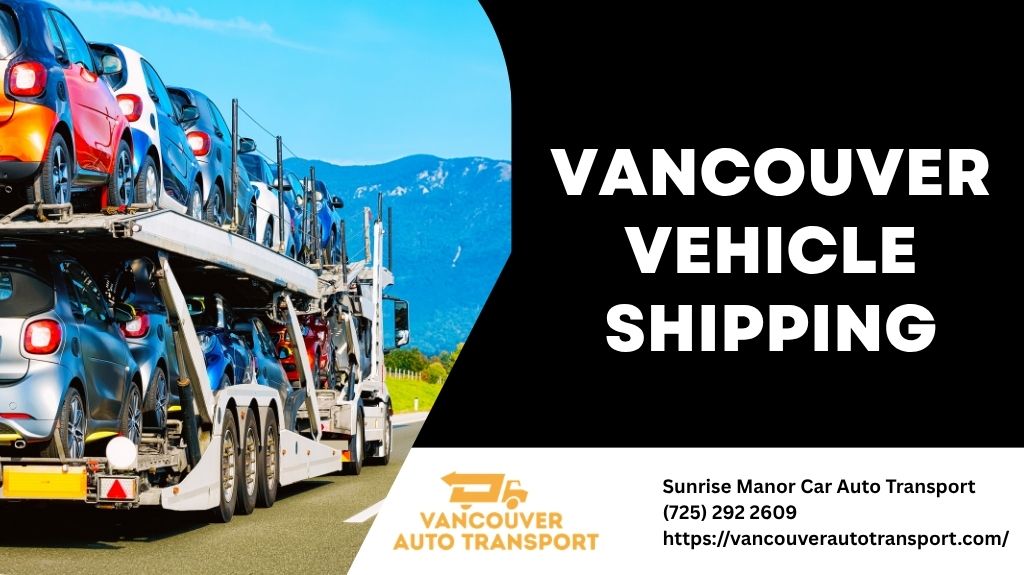
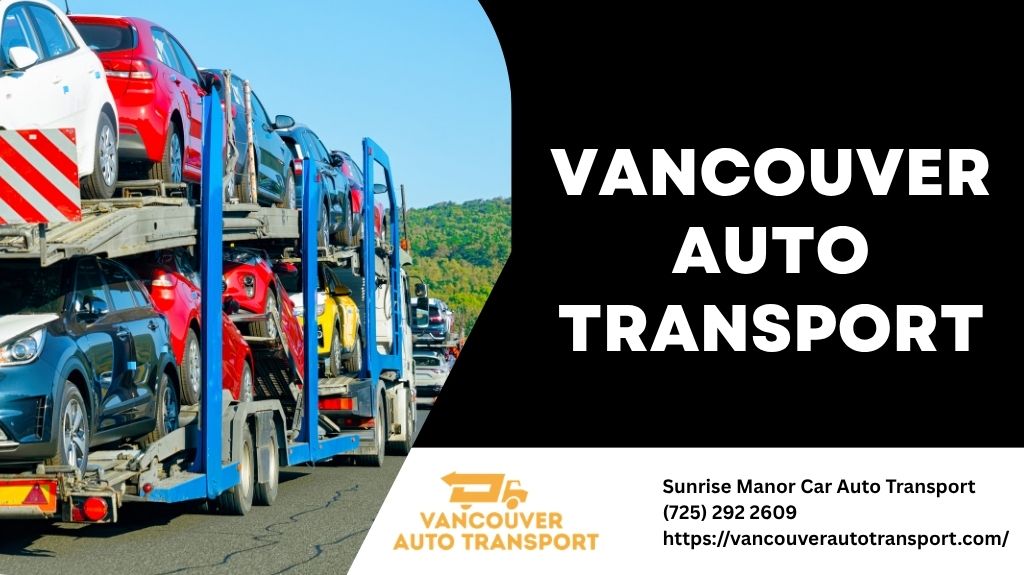
Open transport is one of the most widely used methods for shipping vehicles. Automobiles are secured on an uncovered trailer, similar to the carriers commonly seen delivering new cars to dealerships.
This method is generally more affordable than enclosed shipping because open carriers can transport several vehicles during one trip. It is suitable for many everyday cars, sedans, SUVs, and pickup trucks.
The primary consideration is outdoor exposure. Vehicles remain exposed to normal weather conditions, road dust, and debris during transit. While this is a standard transportation arrangement, customers should still confirm the carrier's loading procedures and insurance coverage.
Best suited for: Standard automobiles, routine relocations, dealership transfers, and customers looking for a cost-conscious shipping option.
2. Enclosed Carrier Transportation
Enclosed transport uses covered trailers to move vehicles inside a protected environment. Unlike open carriers, these trailers help shield automobiles from rain, snow, road debris, and other external conditions.
This option is particularly relevant for luxury cars, classic automobiles, rare models, and collector vehicles. Some enclosed carriers also provide specialized equipment for vehicles that require careful loading or additional handling precautions.
Because enclosed trailers generally have limited capacity and involve additional operating expenses, their services usually cost more than open transportation.
Best suited for: Luxury automobiles, collectible vehicles, classic cars, and owners who prioritize additional protection.
3. Door-to-Door Vehicle Delivery
Door-to-door service is designed to collect a vehicle near the customer's requested pickup address and deliver it as close as safely and legally possible to the destination address.
This arrangement can save time because customers may not need to travel to separate transportation terminals. It is especially useful for families, busy professionals, and individuals coordinating vehicle delivery during a relocation.
However, large transport trucks may encounter access restrictions in residential neighborhoods, narrow streets, underground parking areas, or locations with limited clearance. When direct access is not practical, a nearby meeting point may be arranged.
4. Terminal-to-Terminal Transportation
Terminal shipping involves dropping off a vehicle at a designated transportation facility and collecting it from another facility near the delivery destination.
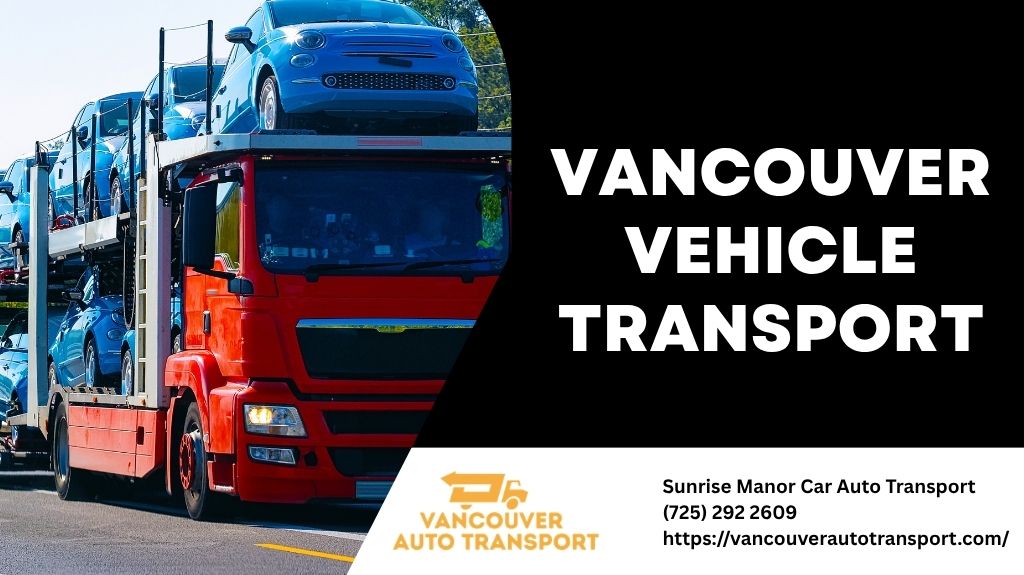
This arrangement may offer additional scheduling flexibility depending on the company's terminal network. Some customers also consider it when comparing the overall cost of different transportation options.
Before selecting terminal service, check the locations, operating hours, storage policies, and any applicable handling or collection fees. Consider the additional travel required to reach both facilities when calculating the total expense.
5. Expedited Vehicle Shipping
Expedited transportation is designed for customers who need a faster pickup arrangement or have a more urgent delivery requirement. Depending on the company, this service may involve priority scheduling or specialized carrier arrangements.
Expedited shipping generally costs more than standard transportation. Availability depends on the route, carrier capacity, vehicle specifications, and timing requirements.
Customers should request a realistic delivery estimate and confirm exactly what the expedited service guarantees. Faster scheduling does not eliminate the possibility of weather-related or operational delays.
How Much Does Car Shipping From Vancouver Cost?
Vehicle transportation prices vary according to the shipment's specific requirements. There is no universal rate that applies to every vehicle or destination. A personalized estimate is necessary to understand the expected cost of a particular route.
Several factors contribute to the final transportation price, including distance, vehicle dimensions, carrier availability, equipment requirements, pickup accessibility, and seasonal demand.
Distance Between Pickup and Delivery Locations
Distance is one of the primary factors influencing transportation expenses. Longer journeys generally require more fuel, driver time, vehicle maintenance, and operating resources.
However, pricing does not always increase at a fixed rate per kilometer. Popular routes may have more available carriers, while remote destinations can require additional coordination or repositioning.
For example, transportation between Vancouver and a major city in Alberta may involve different pricing conditions from a shipment traveling to a smaller community with limited carrier access.
Vehicle Size, Weight, and Condition
Automobiles occupy different amounts of space on a transport trailer. Larger SUVs, vans, pickup trucks, and oversized vehicles may require additional carrier capacity.
Vehicle condition also matters. A car that cannot start, steer, or roll normally may need specialized loading equipment. Customers should disclose mechanical problems before requesting an estimate.
Open Versus Enclosed Transport Pricing
Open carriers generally provide a more economical way to transport standard automobiles. Enclosed shipping involves additional equipment and limited trailer capacity, which usually results in a higher price.
When comparing the two methods, consider the vehicle's value and protection requirements rather than looking at the initial price difference alone.
Pickup and Delivery Accessibility
Transportation companies need suitable access for their trucks and trailers. Remote properties, restricted residential streets, difficult loading areas, and locations with limited turning space may require alternative arrangements.
Providing accurate addresses and describing any access restrictions can help the company determine whether additional arrangements or charges are necessary.
Seasonal Demand and Carrier Availability
Vehicle shipping demand can fluctuate throughout the year. Moving seasons, winter weather, and changes in carrier availability may affect both prices and scheduling.
During periods of high demand, finding an available carrier for a specific route may require additional flexibility. Booking ahead can provide more time to compare estimates and coordinate transportation.
Additional Services and Handling Requirements
Some transportation arrangements involve additional costs for expedited pickup, enclosed equipment, terminal storage, inoperable vehicles, or specialized handling.
Ask whether the Vancouver vehicle transport VancouverWA Car Auto Transport quote includes all expected transportation charges. A detailed estimate should clearly explain the services provided and identify circumstances that could result in additional fees.
How to Get an Accurate Vehicle Shipping Quote
Obtaining an accurate estimate begins with providing complete shipment information. Missing details can result in revised pricing, scheduling complications, or unexpected service limitations.
When contacting transportation companies, prepare the following information:
- Vehicle details: Make, model, year, dimensions when available, and operating condition.
- Pickup address: The location where the carrier will collect the automobile.
- Delivery address: The final destination and any access restrictions.
- Preferred dates: Your ideal pickup window and any delivery deadlines.
- Transport preference: Open carrier, enclosed trailer, door-to-door, or terminal service.
- Special requirements: Low ground clearance, vehicle modifications, mechanical problems, or other handling considerations.
Request written estimates from multiple providers using the same shipment details. This makes it easier to compare services on an equal basis.
Review the total price, payment schedule, insurance terms, estimated delivery window, cancellation policy, and possible additional charges before making a booking.
Understanding Vehicle Shipping Delivery Timelines
Delivery timing is an important part of arranging professional car transportation. Customers often need their vehicles to arrive around a moving date, employment start, school schedule, or property handover.
However, the complete shipping process includes several stages, and the time required depends on more than the distance between two cities.
Stage One: Booking and Carrier Assignment
After accepting a quote, the company coordinates transportation arrangements. If it operates as a broker, it may need to locate and assign a suitable carrier for your route.
The time required for this stage depends on vehicle specifications, route demand, pickup flexibility, and available equipment. Specialized or remote shipments may require additional coordination.
Stage Two: Vehicle Pickup and Inspection
Once a carrier is assigned, the company coordinates collection. The driver or authorized representative typically reviews the vehicle's visible condition and records relevant observations on an inspection report.
Customers should take their own photographs and review the condition documentation before handing over the vehicle.
Stage Three: Transportation and Transit
The carrier begins the journey after completing the required loading and documentation procedures. Transit time depends on the route, road conditions, traffic, weather, driver schedules, and operational requirements.
Long-distance transportation may involve several provinces and changing road conditions. Winter weather in mountainous areas can create additional challenges, while traffic and temporary highway restrictions may affect arrival estimates.
Stage Four: Delivery Coordination
As the vehicle approaches its destination, the carrier coordinates the delivery location and expected arrival time. Customers should remain available for communication and confirm that the receiving location is suitable for the transport truck.
After arrival, inspect the automobile and compare its condition with the original pickup report and photographs.
What Factors Can Delay Vehicle Delivery?
Although transportation companies provide estimated schedules, certain circumstances can affect the original plan. Understanding these factors helps customers establish realistic expectations.
Weather Conditions
Heavy rain, snow, freezing temperatures, and mountain pass closures can affect transportation routes in British Columbia and other parts of Canada. Carriers may need to reduce speed, wait for safer conditions, or use alternative roads.
Traffic and Highway Restrictions
Construction, accidents, congestion, and temporary road closures can increase travel time. Major transportation corridors may experience delays during busy travel periods or unexpected incidents.
Carrier Availability
A delay in finding an appropriate carrier can affect the initial pickup schedule. This is particularly relevant for remote destinations, specialized automobiles, and shipments requiring enclosed equipment.
Vehicle Condition
Unexpected mechanical issues or inaccurate information about a vehicle's operating condition can complicate loading and transportation. Disclosing these details before booking helps reduce avoidable problems.
Border and Documentation Procedures
International shipments may require additional documentation and border processing. Missing paperwork, customs questions, or regulatory requirements can affect the delivery schedule.
Customers should confirm documentation requirements before dispatch rather than waiting until the vehicle reaches the border.
How to Choose a Reliable Vancouver Car Shipping Company
Selecting a transportation provider requires more than comparing advertised prices. The company's operating arrangements, customer service, equipment, and documentation practices all contribute to the overall experience.
Verify Business Information and Credentials
Check the company's legal identity, business contact information, and relevant transportation credentials. Requirements may differ depending on whether the provider operates locally, across provincial boundaries, or internationally.
Find out whether the company is a direct carrier or a transportation broker. A broker arranges shipments through carriers, while a carrier performs the physical transportation. Ask who will be responsible for your vehicle and who you should contact during transit.
Read Customer Reviews
Independent reviews can help you understand how the business handles scheduling, vehicle inspections, pricing, and customer concerns. Look for consistent feedback across multiple platforms instead of relying on a single rating.
Pay attention to repeated complaints involving unexplained fees, poor communication, missed pickup windows, or difficulties resolving damage claims.
Review Insurance Coverage
Request written information about cargo insurance, including coverage limits, deductibles, exclusions, and claim procedures. Confirm whether the policy applies during loading, transit, and unloading.
For luxury and collectible vehicles, verify that the coverage limit is appropriate for the automobile's value.
Evaluate Customer Support
A professional transportation company should explain the shipping process, provide clear answers, and communicate relevant schedule changes. Ask how you will receive updates and whether you can contact the assigned carrier when necessary.
Compare Written Agreements
Before paying a deposit or confirming transportation, review the complete agreement. It should identify the vehicle, locations, transport method, price, payment conditions, estimated schedule, cancellation terms, and responsibilities of the parties involved.
Preparing Your Vehicle for Transportation
Preparing your automobile before pickup can make loading, inspection, and delivery easier. It also provides useful documentation if a disagreement arises about the vehicle's condition.
Clean the Exterior
Wash the vehicle so scratches, dents, chips, and other existing marks are easier to identify. A clean exterior makes it simpler to document the vehicle's condition before shipping.
Take Photographs
Capture dated images of the front, rear, sides, roof, wheels, and any existing damage. Keep these photographs until the shipment is completed and you have inspected the vehicle at delivery.
Remove Personal Belongings
Take out valuables, documents, loose objects, and personal items. Many carriers restrict belongings inside transported vehicles because of weight, safety, and insurance considerations.
Check Mechanical Condition
Inform the transportation provider about fluid leaks, damaged tires, battery problems, or other mechanical issues. Confirm whether the automobile must be operational and whether specialized equipment is needed.
Prepare Keys and Required Documents
Have the necessary keys available and follow the carrier's instructions regarding alarms and electronic systems. Depending on the route, ownership documents, authorization records, or customs paperwork may also be necessary.
Insurance and Vehicle Inspection at Delivery
The delivery stage is an important opportunity to verify that the vehicle has arrived in the expected condition. Do not rush through the final inspection simply because the carrier is ready to leave.
Examine the exterior for new scratches, dents, cracked glass, or other visible changes. Check the wheels, mirrors, bumpers, and other accessible areas. Compare the vehicle with your original photographs and the pickup inspection report.
If you discover damage, photograph it immediately and document the issue on the delivery condition report before signing, where the carrier's procedures permit. Notify the transportation company and follow its written claims instructions.
Keep copies of the original agreement, payment records, inspection documents, photographs, and communication with the provider. These records may be necessary if a claim or service concern needs further review.
Special Considerations for Shipping Electric and Luxury Vehicles
Some vehicles require additional planning because of their design, value, dimensions, or operating systems. Customers should communicate these requirements before accepting a transportation estimate.
Electric Vehicle Transportation
Electric vehicles may have manufacturer-specific transportation recommendations involving battery condition, charging levels, parking mode, and electronic systems. Follow the manufacturer's instructions and confirm that the carrier can accommodate the particular model.
Also disclose any battery-related warning, mechanical issue, or charging limitation that could affect loading and unloading.
Luxury and Sports Cars
Luxury automobiles and low-clearance sports cars may require special ramps, careful positioning, or enclosed equipment. Confirm that the selected carrier has suitable loading arrangements and that the insurance coverage reflects the vehicle's value.
Classic and Collector Vehicles
Older vehicles may have unique mechanical or structural characteristics. Some may not start reliably or may require special handling because of modifications or limited replacement-part availability.
Provide an accurate description of the vehicle and discuss any specific handling instructions with the transportation provider before collection.
Shipping a Vehicle From Vancouver to Other Canadian Provinces
Vancouver serves as a starting point for many long-distance vehicle shipments. Customers relocating to another province should compare transportation companies based on their familiarity with the destination and the practical requirements of the route.
Vancouver to Alberta
Shipments to Alberta are common for individuals moving between British Columbia and major Alberta communities. Depending on the destination, transportation may involve mountain highways and changing weather conditions.
Ask about the expected route, pickup flexibility, and potential weather-related delays, particularly during winter.
Vancouver to Ontario
Cross-country transportation to Ontario requires additional travel time and careful scheduling. Customers should confirm the estimated transit period, carrier arrangements, and how progress updates will be provided during the journey.
Vancouver to Quebec
Shipping to Quebec involves a long-distance route through multiple regions. Vehicle owners should plan around the estimated delivery window and confirm whether any special arrangements are necessary for the destination.
Transportation to Other British Columbia Communities
Local and regional vehicle delivery may involve shorter distances but can still require careful coordination. Some communities have limited carrier access, narrow roads, or geographical restrictions that affect pickup and delivery arrangements.
Common Mistakes to Avoid When Booking Car Transportation
A few avoidable mistakes can create unnecessary expenses or complications during vehicle delivery. Keep the following considerations in mind when arranging transportation.
- Choosing the cheapest quote automatically: Compare insurance, services, equipment, and additional fees rather than focusing only on the initial price.
- Ignoring the agreement: Review payment conditions, cancellation terms, liability provisions, and estimated schedules before booking.
- Providing incomplete vehicle information: Disclose dimensions, mechanical issues, and modifications to help prevent revised estimates.
- Overlooking insurance exclusions: Ask for written policy details instead of assuming all damage is covered.
- Waiting until the last minute: Advance planning can provide more time to compare available carriers and coordinate dates.
- Leaving personal belongings inside: Remove items that may violate carrier policies or fall outside insurance protection.
- Skipping the final inspection: Review the vehicle's condition before completing the delivery process.
- Ignoring communication: Keep contact information available and respond to scheduling updates from the transportation provider.
How to Get the Best Value From Vancouver Car Transportation Services
Getting good value does not necessarily mean choosing the lowest-priced company. It means selecting a transportation arrangement that meets your requirements without unnecessary expenses or unclear service conditions.
Start by requesting estimates from several providers. Make sure each company receives the same vehicle details, pickup location, destination, and preferred schedule.
Next, compare the transportation methods and insurance arrangements. If you are shipping a standard automobile, open transport may provide sufficient protection at a more affordable price. For a valuable collector vehicle, the additional expense of enclosed transportation may be justified.
Consider scheduling flexibility as well. If your pickup dates are adjustable, tell the company. This may provide additional carrier options, although savings will depend on the route and current availability.
Finally, read the agreement carefully and confirm the total expected cost. A transparent quote with clearly explained terms is generally more useful than an attractive estimate that leaves important details unanswered.
Conclusion: Make an Informed Vehicle Shipping Decision
Understanding Vancouver car transportation services can make it easier to organize a vehicle shipment without unnecessary uncertainty. From open and enclosed carriers to door-to-door and terminal arrangements, customers have several options depending on their vehicles, budgets, and delivery requirements.
Transportation costs are influenced by route distance, vehicle dimensions, carrier availability, seasonal demand, and additional handling requirements. Delivery timelines also depend on pickup coordination, road conditions, weather, and the distance involved. Reviewing these factors before booking helps establish realistic expectations.
Choosing a suitable provider requires attention to more than pricing. Verify the company's operating arrangements, review insurance coverage, investigate customer feedback, and request a complete written agreement. Preparing your vehicle and documenting its condition can further improve the overall shipping experience.
Whether you are relocating across Canada, purchasing a vehicle remotely, or arranging transportation for a specialty automobile, careful planning can help you find a service that balances safety, affordability, and convenience. Compare your options, ask clear questions, and select a transportation arrangement that fits your specific needs.
Frequently Asked Questions About Vancouver Car Transportation
How much does it cost to transport a car from Vancouver?
The cost depends on the destination, vehicle size, transportation method, carrier availability, and pickup requirements. Open shipping is generally more economical than enclosed transportation. Request a personalized written estimate for accurate pricing.
What is the cheapest way to ship a car from Vancouver?
Open carrier transportation is generally one of the most affordable methods for standard automobiles. Comparing several providers and maintaining flexible pickup dates may also help you find competitive pricing.
How long does it take to ship a car from Vancouver?
Delivery time depends on the route, distance, carrier availability, weather, and scheduling arrangements. Local and regional shipments may take less time than cross-country transportation. Request a route-specific estimate before booking.
Is door-to-door car transportation available in Vancouver?
Many transportation companies offer door-to-door service when the pickup and delivery locations are accessible to their equipment. If a large carrier cannot reach the requested address, a nearby meeting location may be necessary.
Should I choose open or enclosed car shipping?
Open transport is generally suitable for everyday vehicles and offers an economical option. Enclosed transport provides additional protection and may be more appropriate for luxury, classic, and collectible automobiles.
Can I ship a vehicle that does not run?
Some transportation companies accept inoperable vehicles, provided they can arrange suitable loading equipment. Explain the mechanical condition before booking and confirm any additional charges.
Does car transportation insurance cover vehicle damage?
Carrier cargo insurance may cover certain types of damage, but coverage depends on the specific policy. Review the limits, deductibles, exclusions, and claims procedure before releasing your vehicle.
Can I ship an electric vehicle from Vancouver?
Yes, electric vehicles can be transported using suitable carriers. Follow the manufacturer's preparation recommendations and inform the shipping company about the vehicle's model and any special handling requirements.
When should I book a vehicle shipping service?
Booking several weeks ahead is a useful starting point, especially for long-distance routes, busy moving periods, and specialized transportation. Advance planning gives you more time to compare prices and arrange suitable pickup dates.
What should I do before my car is picked up?
Clean the vehicle, photograph its condition, remove personal belongings, check its mechanical condition, prepare the keys, and review the shipping agreement. Follow any additional instructions provided by the carrier.
Contact Us:
VancouverWA Car Auto Transport
(360) 626 2408
❧